
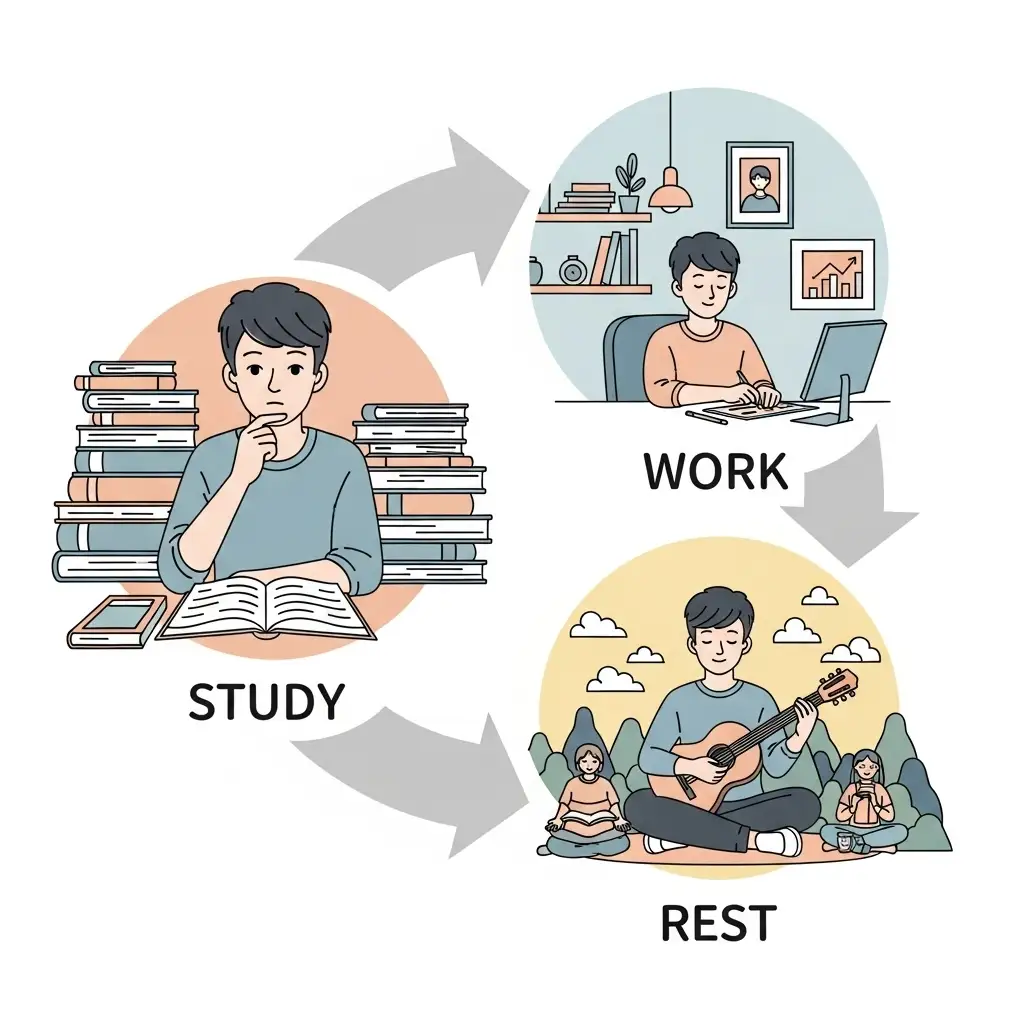
Balancing the demands of study, work, and rest can be challenging, especially in today’s fast-paced world. Whether you're juggling coursework, a job, or personal responsibilities, it's easy to push yourself too hard and end up burned out. Burnout can severely impact your productivity, creativity, and overall well-being. Learning how to manage your time effectively and prioritize self-care is crucial for long-term success and mental health.
1. What is Burnout?
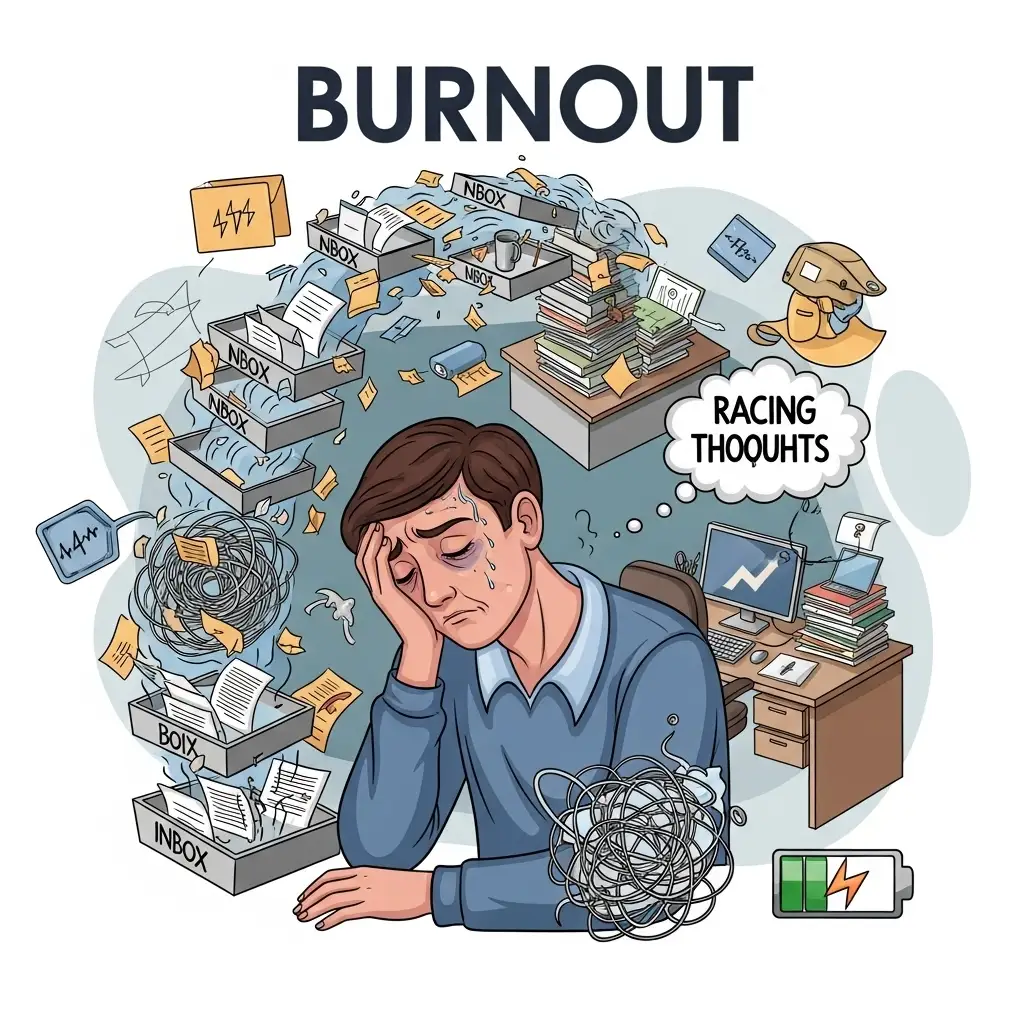
Burnout is a state of physical, mental, and emotional exhaustion caused by prolonged stress. It typically results from overworking, lack of rest, and failure to manage stress effectively. Symptoms of burnout include:
- Chronic fatigue
- Irritability and mood swings
- Decreased productivity
- Difficulty concentrating
- Physical symptoms like headaches or sleep disturbances
2. How to Prevent Burnout by Balancing Study, Work, and Rest
1. Prioritize Self-Care
Self-care isn’t just a buzzword—it’s essential for maintaining your energy levels and avoiding burnout. Make sure you’re getting enough sleep, eating well, and engaging in physical activity. Regular exercise and relaxation techniques like meditation or yoga can help relieve stress.
2. Create a Balanced Schedule
Use time management techniques to balance study, work, and rest. Make a schedule that includes time for all your responsibilities, but also prioritize breaks. The Pomodoro Technique and time-blocking can help you create focused work intervals while ensuring time for rest.
3. Set Realistic Goals
Overloading yourself with too many tasks can lead to stress and burnout. Set realistic, achievable goals for the day, week, and month. Break larger tasks into smaller, more manageable pieces, and celebrate small wins along the way.
4. Know When to Say No
If you’re feeling overwhelmed, don’t be afraid to say no to additional commitments. It’s important to recognize your limits and avoid overcommitting yourself. Learn to delegate tasks or ask for help when necessary.
5. Incorporate Downtime
Regular rest is just as important as working hard. Make sure to include breaks in your day, and don’t feel guilty about taking time off. Engage in activities that help you recharge, such as spending time with friends, reading, or enjoying a hobby.
3. How to Know When You’re Heading Toward Burnout
Burnout is often gradual, and it can be difficult to recognize at first. However, there are signs to look out for:
- Physical fatigue: Feeling constantly tired, even after rest.
- Mental exhaustion: Difficulty focusing or losing motivation.
- Increased stress: Becoming easily frustrated or overwhelmed.
- Emotional detachment: Feeling disconnected or uninterested in activities you once enjoyed.
If you notice these signs, take immediate action by adjusting your schedule and incorporating more rest.
4. Final Thoughts
Avoiding burnout is about finding balance in your life. By prioritizing self-care, managing your time effectively, and taking regular breaks, you can ensure that you stay healthy, focused, and productive. Remember, it’s not about working harder—it’s about working smarter while maintaining your mental and physical well-being.
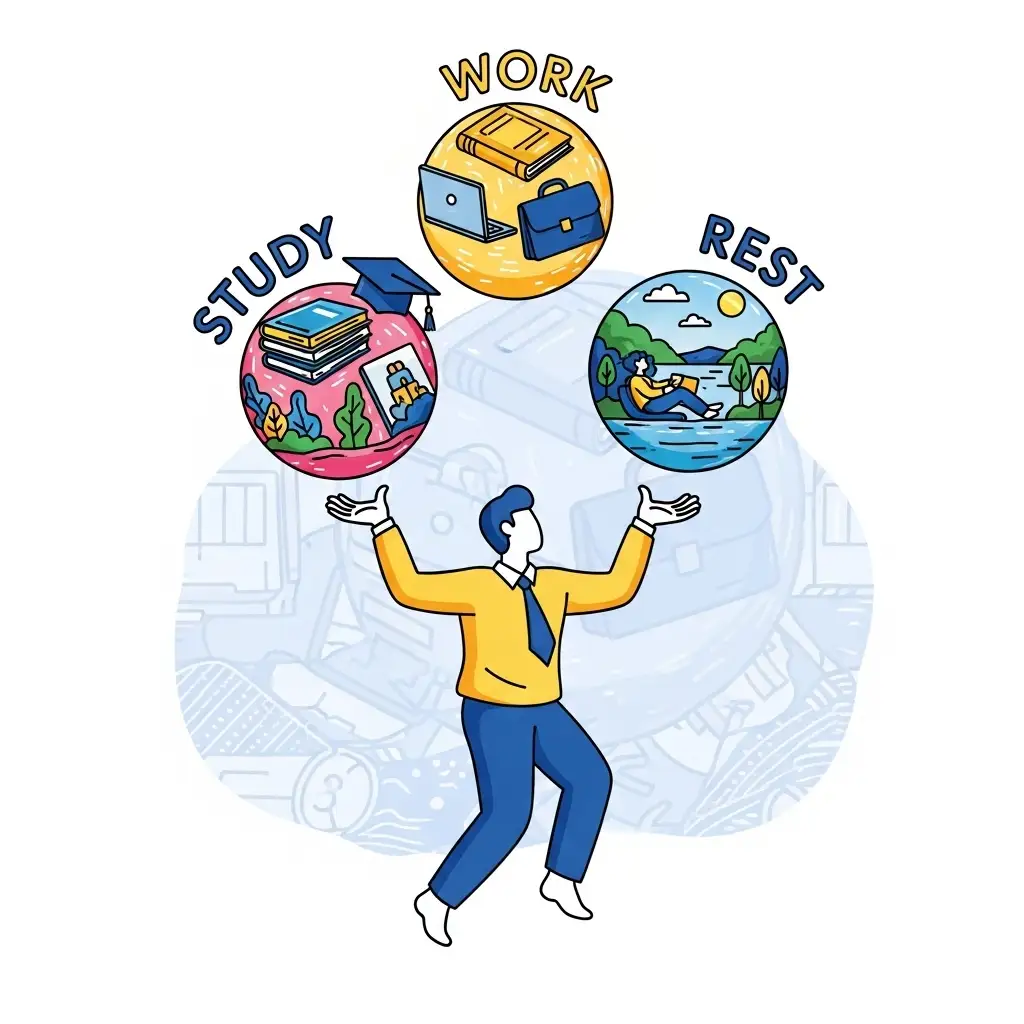
Feeling overwhelmed? Take a step back, prioritize your health, and create a balanced schedule that supports both your goals and well-being.