
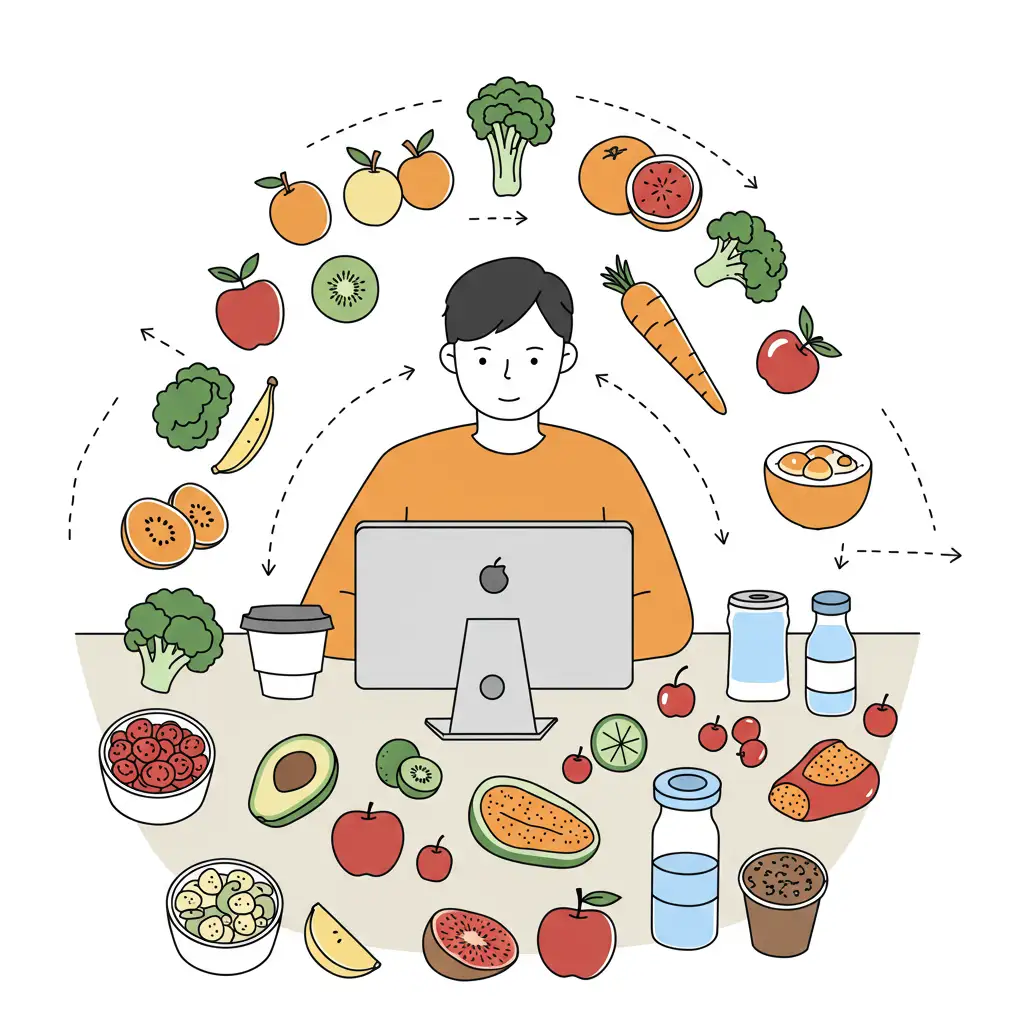
What you eat can significantly impact how well you learn, retain information, and focus. While most people think of learning as purely a mental activity, nutrition plays a vital role in brain health and cognitive performance. Let’s dive into how an optimized diet can enhance your study sessions and improve memory retention.
1. The Brain-Nutrition Connection
The brain is a high-energy organ, using about 20% of your daily calorie intake. It thrives on specific nutrients to maintain optimal performance. Poor nutrition can lead to brain fog, reduced focus, and poor memory.
Key nutrients that fuel your brain include:
- Omega-3 Fatty Acids: Found in fish, walnuts, and flaxseeds, they improve memory and cognitive function.
- Antioxidants: Blueberries, spinach, and dark chocolate protect the brain from oxidative stress.
- B Vitamins: Essential for energy production and neurotransmitter function, found in whole grains, eggs, and leafy greens.
- Choline: Supports memory and learning, found in eggs and soy products.
2. Blood Sugar Stability for Focus
A stable blood sugar level is essential for maintaining focus and energy throughout your study sessions. Avoiding sugary snacks and opting for slow-digesting carbohydrates can help:
- Eat Whole Grains: Quinoa, oatmeal, and brown rice provide steady energy.
- Snack Smart: Pair protein-rich snacks (like nuts) with a fruit for sustained focus.
3. Hydration and Brain Function
Dehydration can impair your cognitive abilities and reduce your energy levels. Studies show that even mild dehydration can lead to:
- Reduced memory performance
- Lower attention span
- Difficulty solving problems
Aim for at least 2-3 liters of water daily and consider brain-boosting beverages like green tea for added focus.
4. Foods to Avoid for Better Studying
Certain foods can hinder your ability to focus and learn. Avoid:
- Sugary Foods: Cause energy crashes and brain fog.
- Processed Foods: High in unhealthy fats that can impair cognitive performance.
- Caffeinated Overload: While moderate caffeine boosts focus, too much can lead to anxiety and disrupted sleep.
5. Practical Nutrition Tips for Studying
Here are actionable steps to improve your diet for better learning:
- Start Your Day with Protein: A protein-rich breakfast (like eggs and avocado toast) helps maintain energy levels.
- Snack on Brain Food: Keep nuts, seeds, and dark chocolate on hand during study sessions.
- Incorporate Superfoods: Add spinach, salmon, or turmeric to your meals for long-term cognitive benefits.
Final Thoughts
Optimal nutrition is a game-changer for anyone striving to improve study performance and memory. By making smarter food choices, you can fuel your brain, enhance focus, and achieve better learning outcomes. Combine these dietary principles with StudyBounce's cutting-edge tools to unlock your full potential.